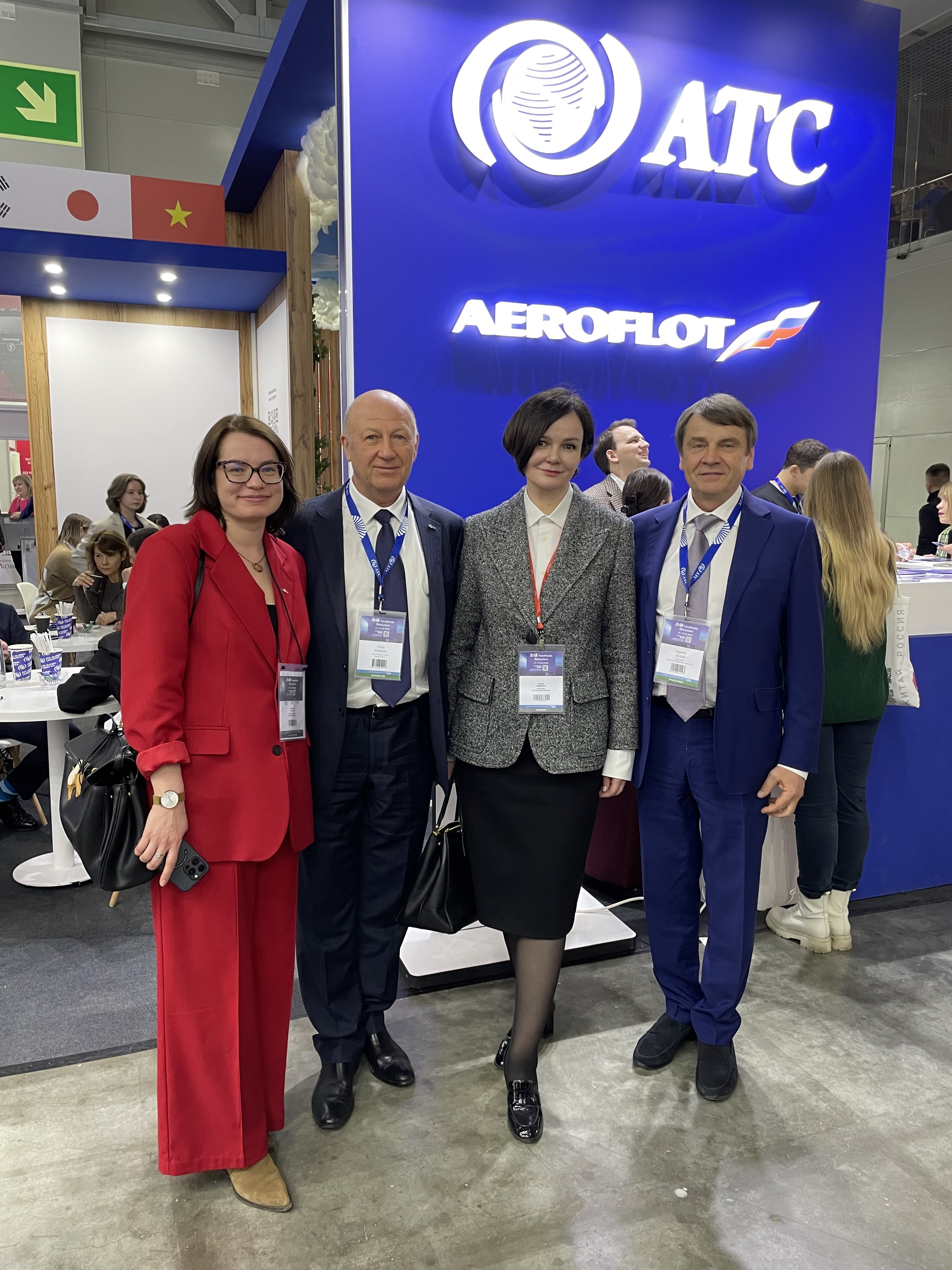
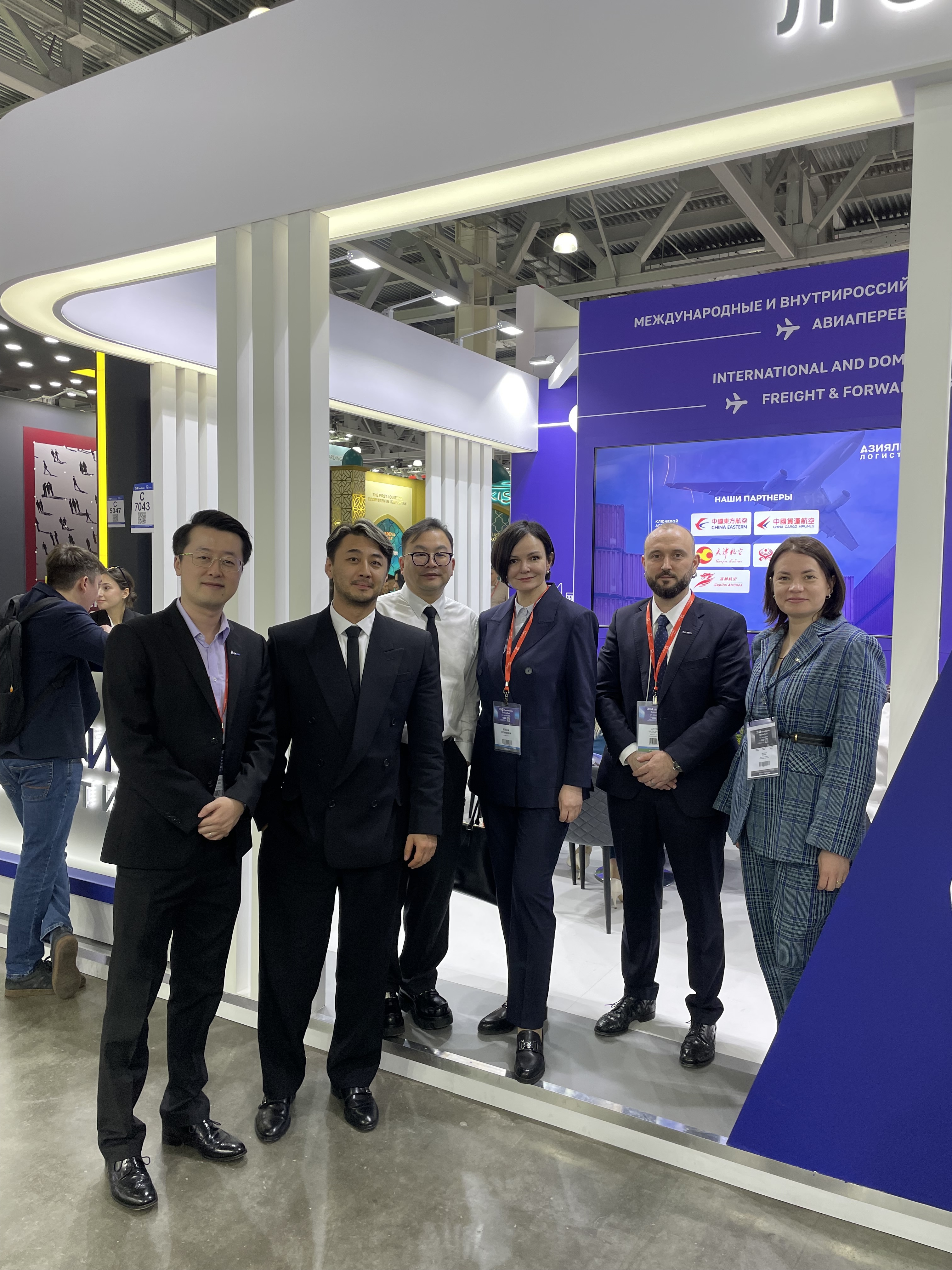
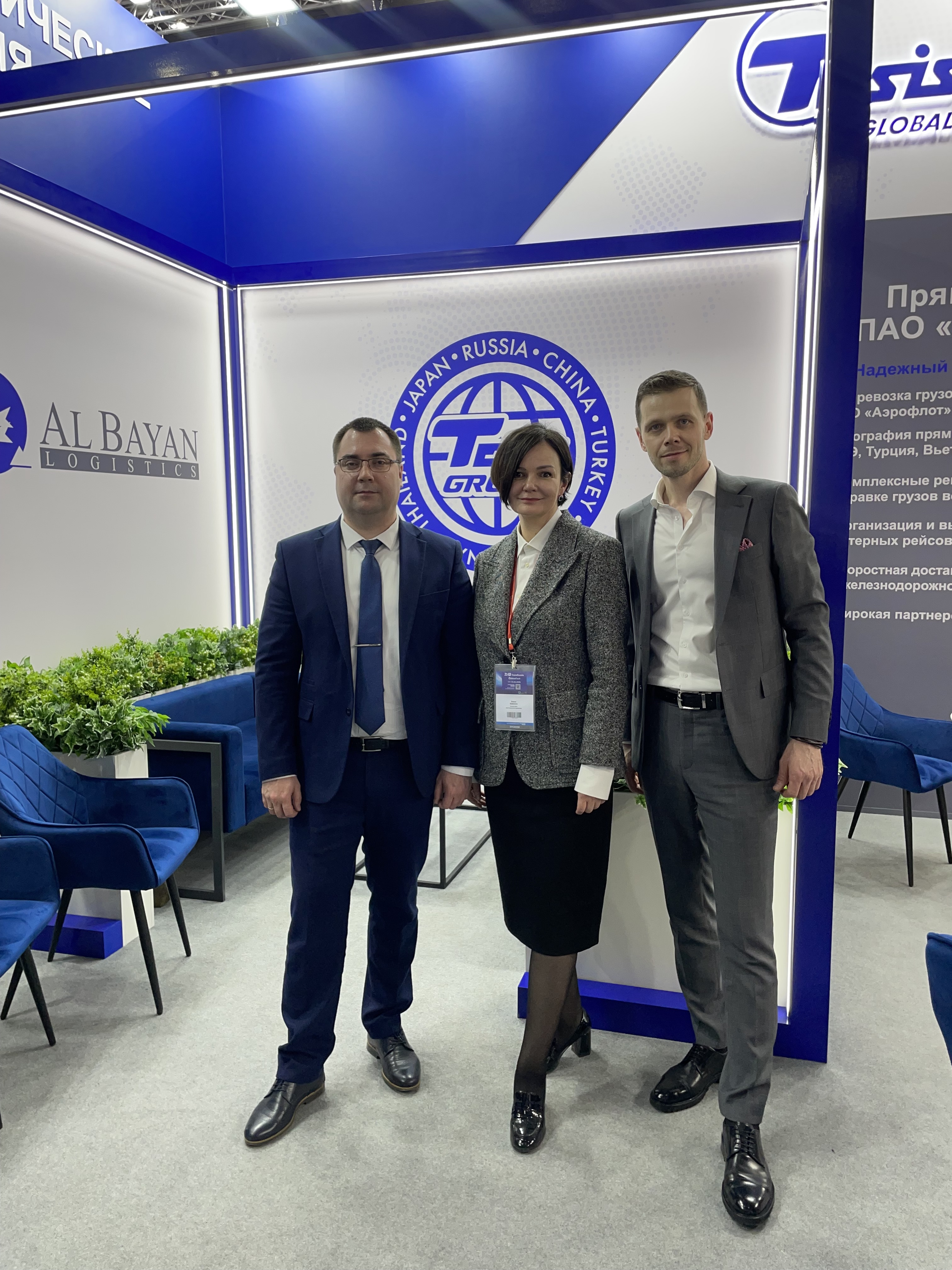
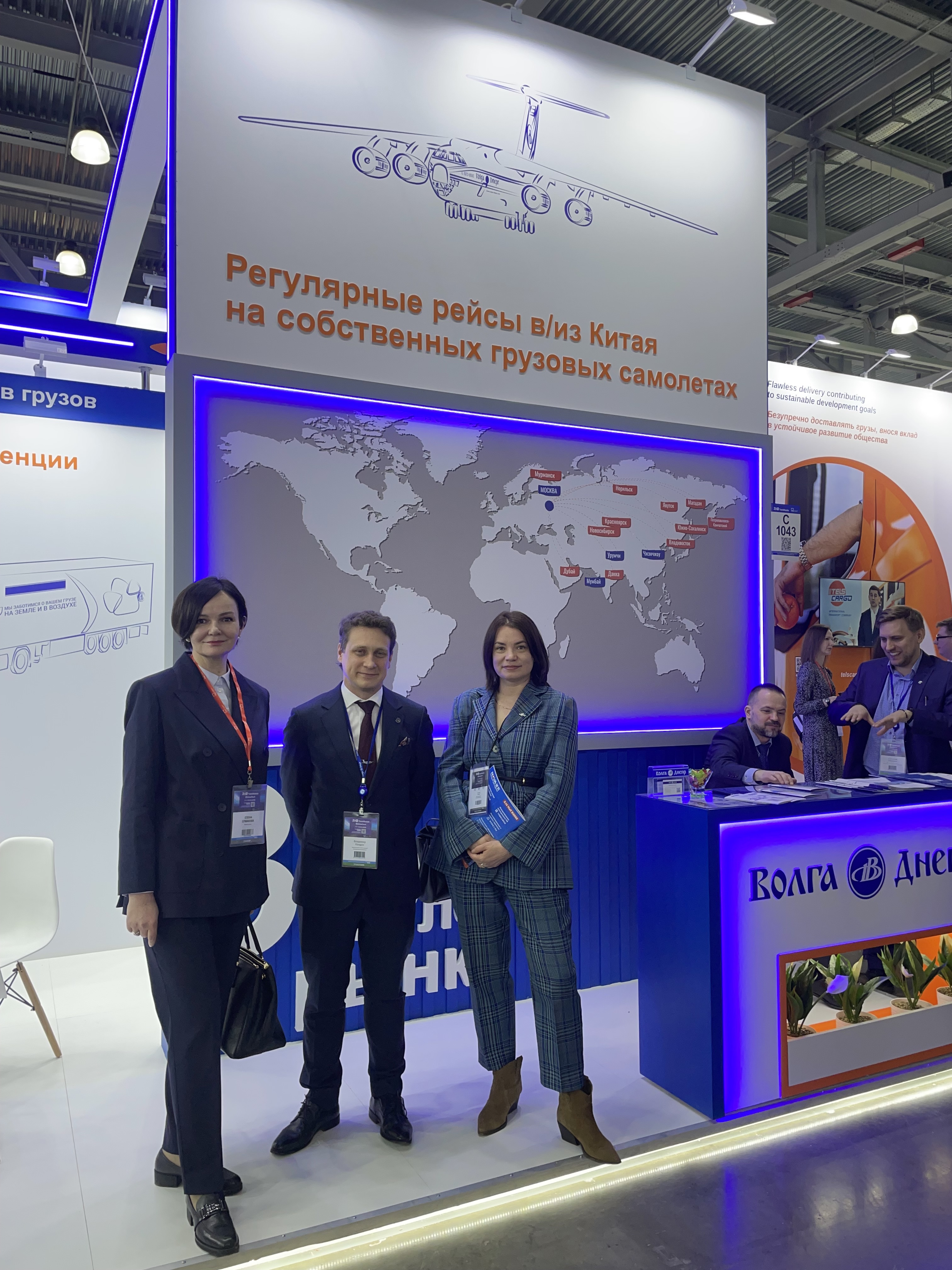
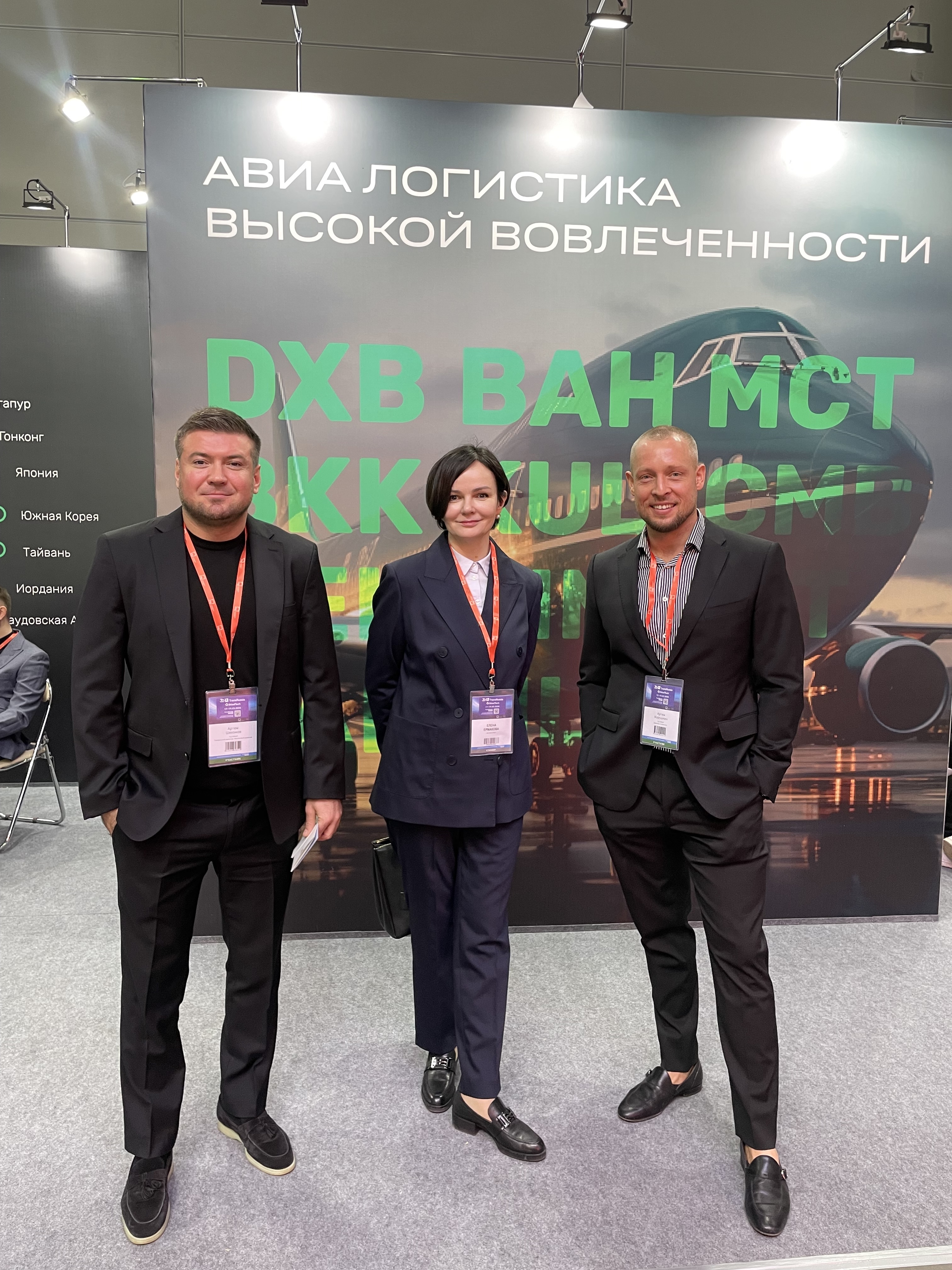
MOSCOW CARGO LLC DRIVES INDUSTRY DIAOLOGUE AT TRANSRUSSIA 2026
20/03/2026
From 17 to 19 March, the Crocus Expo International Exhibition Center served as the venue for a major gathering of the transport and logistics industry's leading players. Participants presented their services and operational capabilities, discussed current market conditions, exchanged professional views, established new business contacts, and met with long-standing partners. Over the course of the three-day event, three pavilions accommodated more than 500 exhibition stands. The comprehensive business programme included sector-specific conferences, presentation sessions, and the TransRussia Champions League — a prestigious awards ceremony recognising companies that introduced the most innovative and impactful industry solutions.
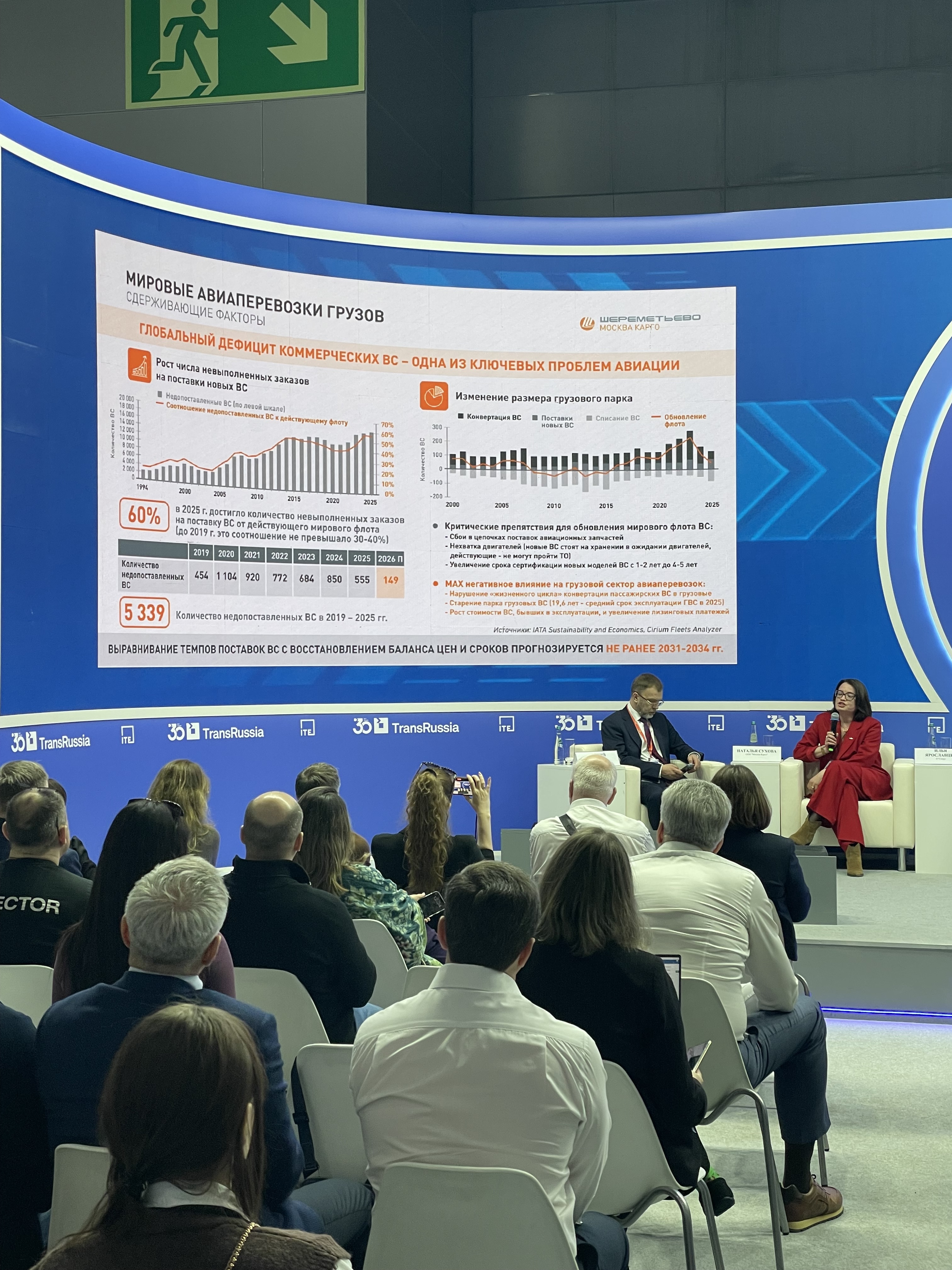
On March 18, Moscow Cargo LLC hosted a high-level panel session, "Air Cargo: From Challenges to Growth Drivers," as part of the 30th International Conference for Cargo Owners and Carriers — TransRussia.
Natalia Sukhova, Head of Ground Handling Contacts Departnment at Moscow Cargo, LLC, took the stage to outline the key trends shaping international and domestic air cargo logistics:
"Despite headwinds — from market volatility and geopolitical tensions to external sanctions — the Russian air cargo sector continues to show resilience, mirroring global patterns. History shows that crises — be it the 2008 financial crash, the 2015 Chinese stock market slump, or the 2020 pandemic — trigger short-term drops in airfreight volumes, yet recovery tends to follow swiftly. Over the last two decades, the market has posted an average annual growth rate of 2.6%."
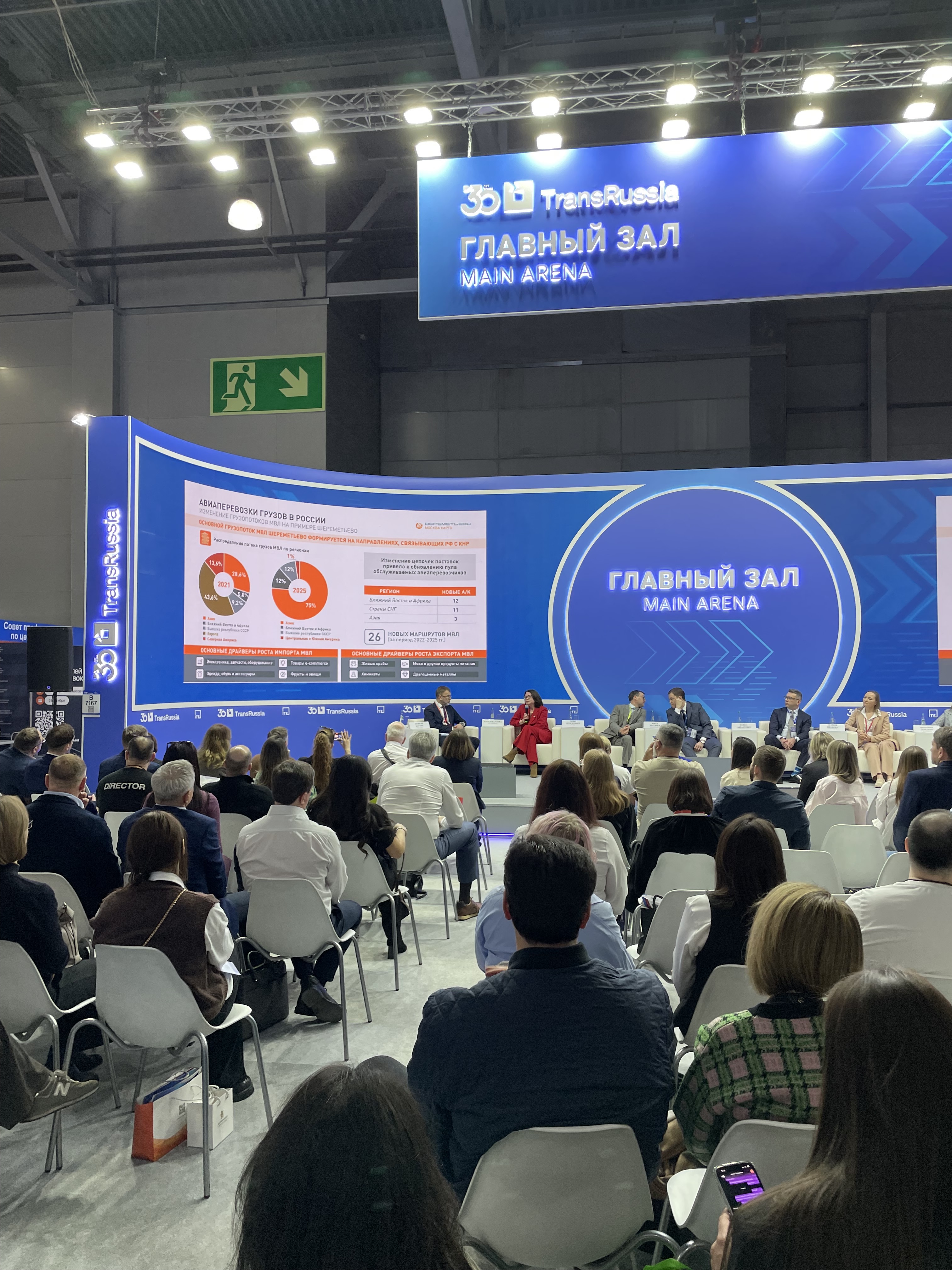
Through real-world case studies, speakers from ATC Global Logistics, TGC Rusmarin, and Transportal showcased how the industry is being reshaped — not only in delivery routing, but also in the documentation processes behind international freight. A key focus was the mounting pressure from road transport, which surged 37% in 2025, while air cargo slipped 9%. The panel also highlighted the pillars propping up air logistics: cargo that simply cannot go by road — high-value pharma, vaccines, and a booming flow of AI-driven electronic components.
Speakers from S7 Cargo and UTair turned the spotlight on regional cargo infrastructure, noting that freight terminal upgrades are lagging far behind passenger facilities — a gap that is stifling the growth of interregional routes beyond Moscow. The discussion then shifted to the upcoming Electronic Transport Waybill (ETRN) mandate, effective September 1, 2026. Many regional players, speakers warned, are ill-equipped for the digital transition, lacking both the resources and the readiness. To make matters worse, experts fear the rollout will be bogged down by a prolonged fine-tuning phase — since the ETRN format for air cargo has yet to be finalized.
The discussion sparked lively debate that carried on well beyond the panel, spreading across the exhibition floors and continuing at the stands of participating companies.